









On campus, bikes are used every day—but rarely maintained. Tires slowly lose air from daily riding, weather changes, and rough paths. Campus repair stations aren’t always available, and most students don’t want to deal with bulky pumps or guesswork.
The result? Riding feels heavier, slower, or unstable—often without realizing the real issue is just tire pressure.

This guide focuses on the few bike maintenance basics that actually matter for campus life, and how to handle them quickly on your own.
The One Thing You Should Check First: Tire Pressure
If your bike feels harder to ride, less responsive, or “off” in any way, tire pressure should always be the first thing you check.
Underinflated Tires
-
Make pedaling noticeably harder
-
Reduce efficiency on long campus paths
-
Increase wear and the risk of punctures
Overinflated Tires
-
Feel stiff and uncomfortable on uneven roads
-
Reduce grip, especially on wet pavement
-
Can damage tires over time
Keeping your tires within the recommended range makes riding easier, safer, and more predictable—especially on campus roads that aren’t perfectly smooth.

How Much Air Does Your Bike Actually Need?
You don’t need to memorize numbers. Most bike tires list the recommended PSI range directly on the sidewall.
As a general campus reference:
-
Road bikes: higher PSI, firmer feel
-
Hybrid / commuter bikes: medium PSI, balanced comfort
-
Mountain or wider tires: lower PSI, more grip

As a general rule, your tire should be pumped to an optimal pressure based on your weight and the tire size. The tire manufacturer provides a default tire pressure indication on the side stating maximum pressure. However, it is important to always read the manufacturer's indications and refer to a tire pressure data table for optimal riding experience based on your weight and tire size:

How to Inflate Your Bike Tires on Campus (Step by Step)
This is something you can do right where your bike is parked—outside your dorm, near the library, or before heading to class.
What You’ll Need
-
Your bike
-
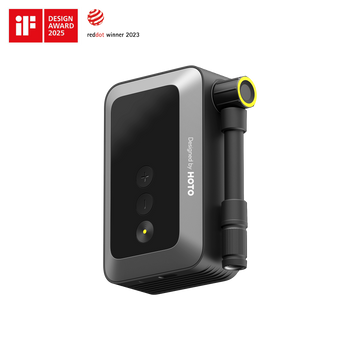
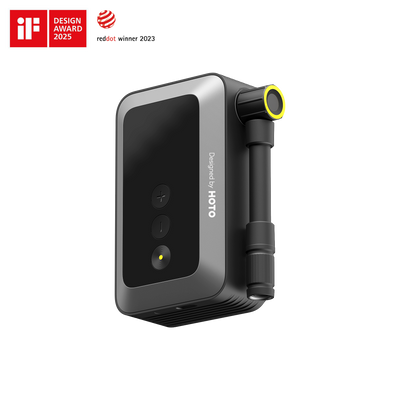
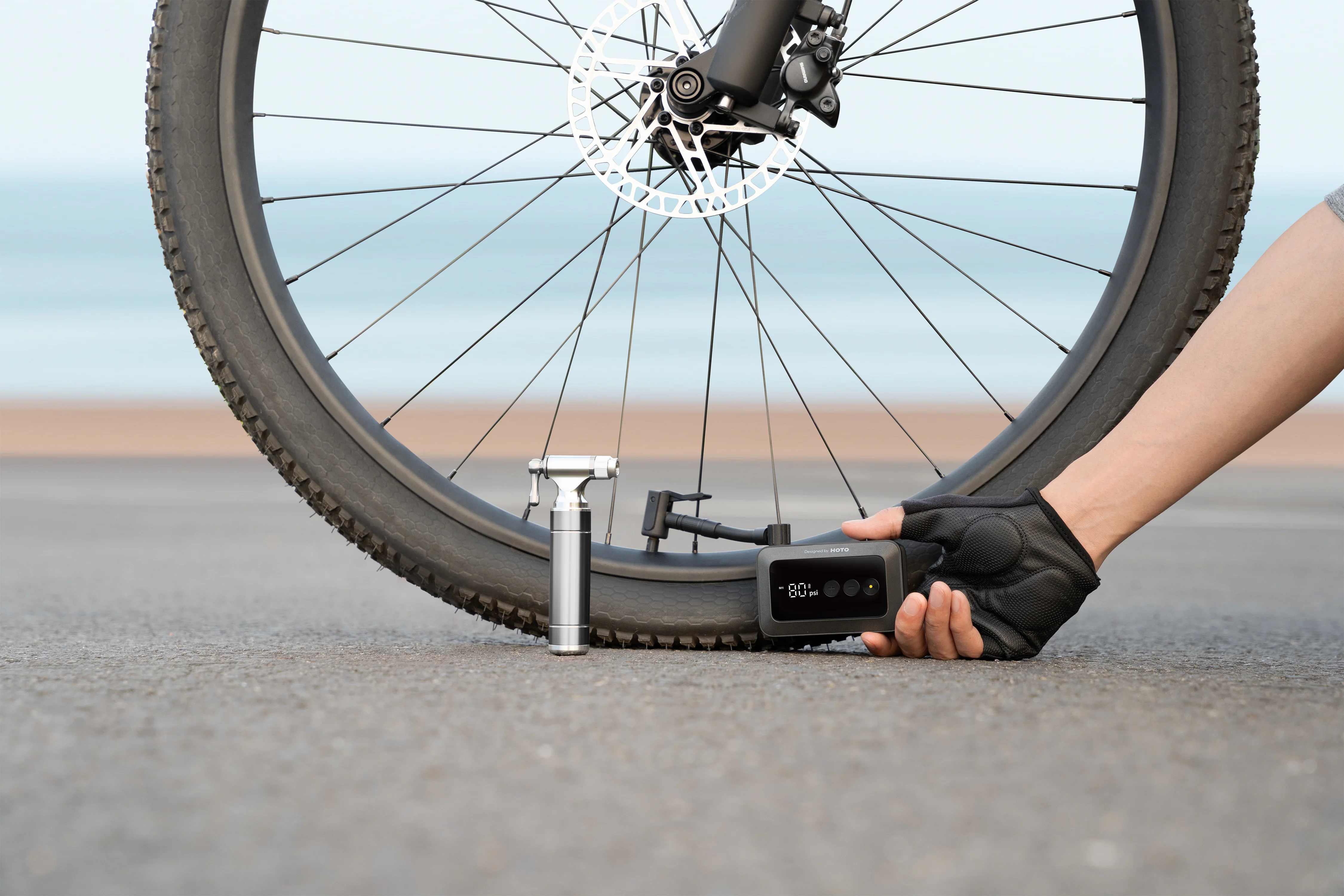
HOTO Air Pump Pocket
Steps
-
Check the valve type
Most campus bikes use Schrader valves. If your bike has a Presta valve, loosen the small tip first. -
Connect the pump securely
Make sure the pump head is firmly attached so air doesn’t leak. -
Set or monitor pressure
Use the tire’s sidewall as your reference. Inflate gradually rather than all at once. -
Stop at the right pressure
A smart air pump helps prevent overinflation by giving real-time feedback instead of guessing. -
Disconnect and ride
Once inflated, remove the pump, secure the valve cap, and you’re ready to go.

A compact, cordless pump fits easily into a backpack or bike bag, which makes regular maintenance realistic instead of something you “mean to do later.”
How Often Should Students Check Tire Pressure?
A simple routine works best:
-
If you ride daily: once a week
-
After long rides or bad weather: quick check
-
If riding suddenly feels harder: check immediately
Regular checks take less than a minute and prevent most common campus bike issues.
Why a Portable Air Pump Makes Campus Life Easier
On campus, convenience matters more than tools with lots of accessories. A small pump you can carry means you can handle tire pressure anywhere—outside your dorm, near the library, or right before class—without waiting for a repair station or borrowing equipment.
More importantly, it makes bike care feel like a simple habit instead of a task you keep postponing. If you ride often, a quick weekly check takes less than a minute and helps prevent most “sudden problems” before they happen.
And campus life isn’t only about bikes. A portable pump like the HOTO Air Pump Pocket can be useful in a bunch of everyday scenarios:
-
Inflating sports balls (basketball, soccer, volleyball) before a game or club practice
-
Helping friends who forgot a pump
-
Scooters or small tires (depending on valve compatibility) for short commutes
-
Air mattresses or inflatable cushions for dorm sleepovers or trips
-
Quick top-ups after weather changes

Once you start carrying it, it becomes one of those “small tools” that quietly saves you time all semester—because it solves multiple campus problems without taking up space.