







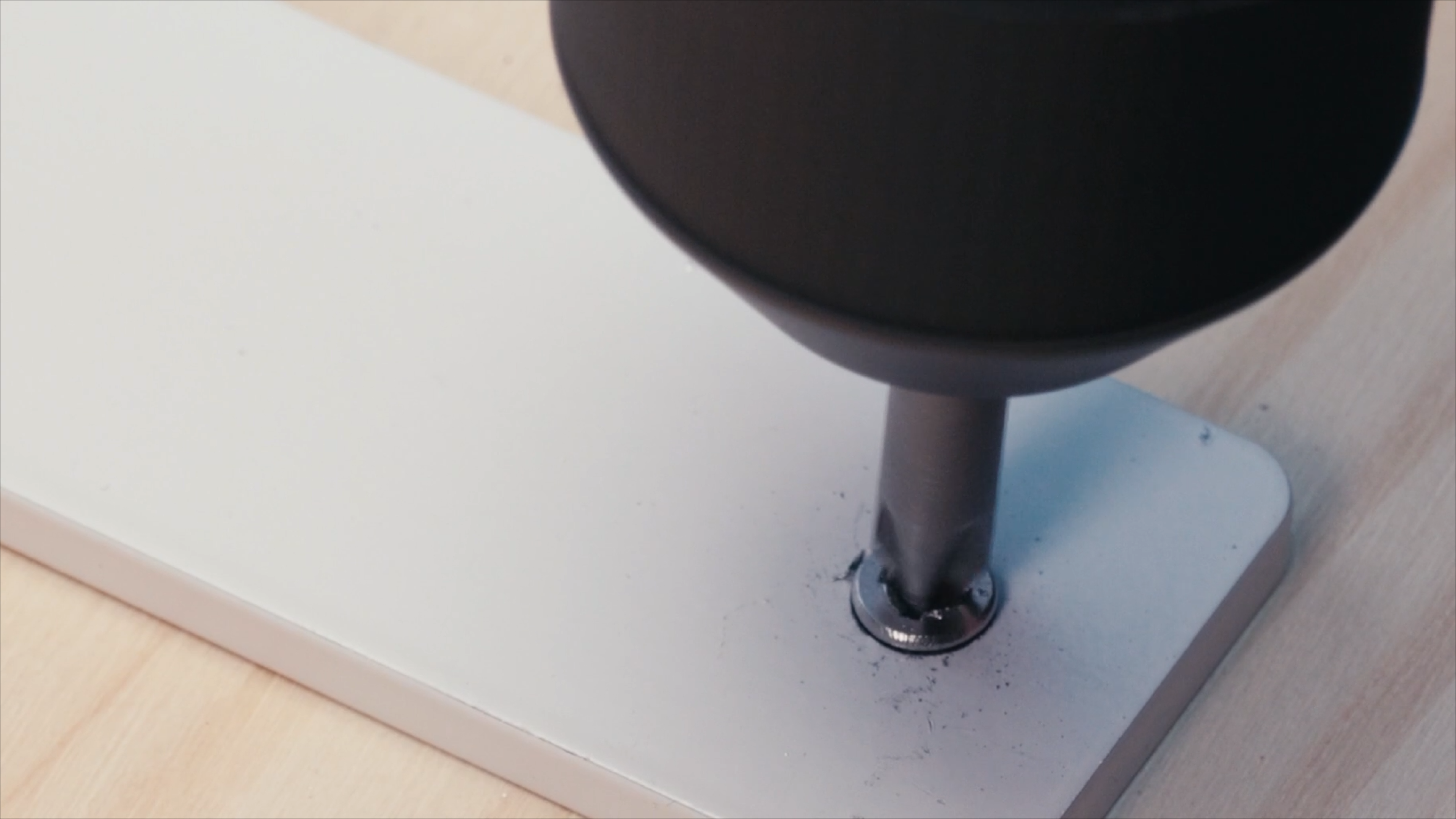
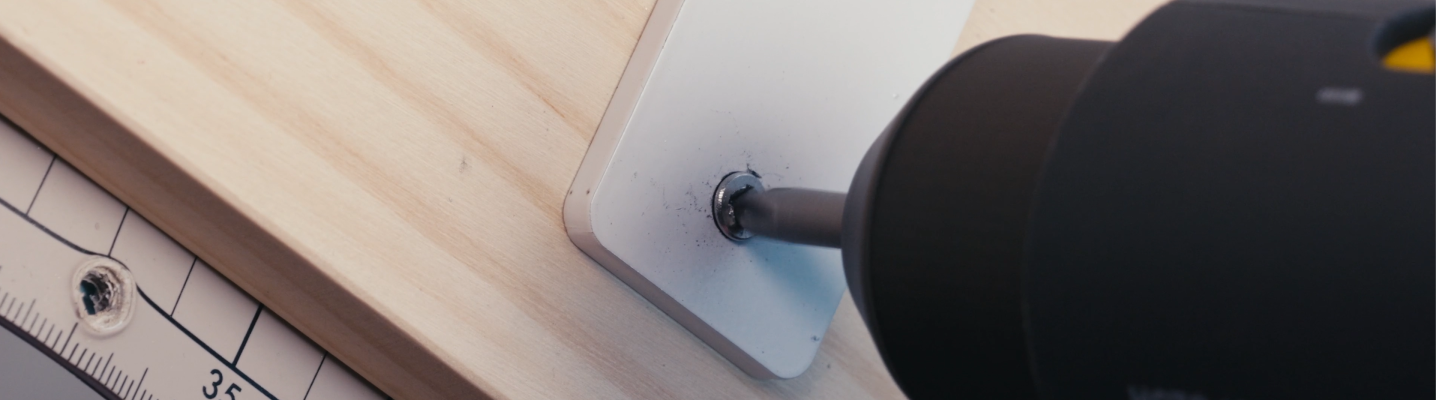
A stripped screw has a special talent: turning a two-minute repair into twenty minutes of regret.
The good news? You usually don’t need fancy tools or dramatic solutions. These three simple tricks can help you remove damaged screws and fix loose fittings fast.
Use a Rubber Band for Extra Grip
Place a rubber band over the stripped screw head before inserting your screwdriver bit. The rubber creates extra friction and helps the bit grip where the metal no longer can.

Use an Old Work Glove
If you don’t have a rubber band nearby, cut a small piece from an old rubber-coated glove. Place it over the screw head and turn slowly. Stronger material, stronger grip.

Repair Loose Cabinet Hinges with a Toothpick
Cabinet hinge screws often become loose over time because the wood around the screw hole gradually wears out. As the hole gets slightly enlarged, the screw can no longer grip tightly, causing the door to wobble or misalign.

Insert a wooden toothpick into the hole, break off the excess, then reinstall the screw. The added material helps the screw hold firmly again.

Prevent Stripped Screws Before They Happen
Many stripped screws are caused by overtightening. Using tools with adjustable torque gives you better control and helps avoid damage from the start.
HOTO 16V Brushless Drill and HOTO PixelDrive Cordless Screwdriver are designed for cleaner, more precise fastening, with multi-level torque adjustment. Both tools also feature a built-in display screen, helping you clearly see and select the most suitable torque output for different materials and tasks—so you’re always working with the right amount of power, not guessing.

That means every screw lands exactly where it should, with less risk of stripping or damaging the surface.
Your screws deserve better. So does your weekend.

Author: Hertz