



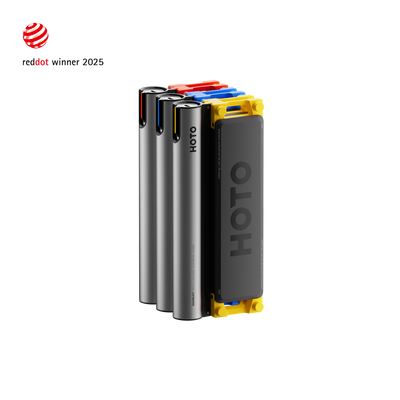


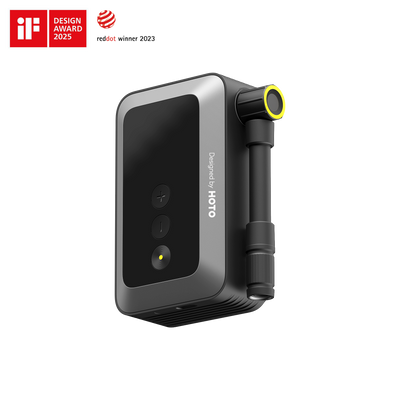


Quick take: Choose a cordless stapler by the fasteners your projects need and the controls that help you work. The HOTO Pulse 4-in-1 Cordless Stapler combines T50 staples, JT21 staples, brad nails and pin nails with READY confirmation, a low-fastener countdown, two firing modes and an integrated staple remover. It suits users moving between upholstery, furniture repairs and crafts. If you are also considering Bielmeier or RYOBI, start with the projects you plan to tackle and the features you value most. Compare your options based on how well they fit your everyday workflow.
What to Compare Before You Choose
Start with the material you are attaching and the surface receiving the fastener. Securing fabric to a chair base, attaching a cabinet backing and adding a small decorative detail can require different fastener types and lengths.
Next, compare placement and feedback. Can you see where the fastener will exit? Does the tool confirm working contact? How does it tell you that fasteners are running low? Single-shot and continuous firing also serve different working rhythms.
Finally, check charging, runtime, reloading and included accessories. A useful stapler should support both the fastening task and the small adjustments that happen along the way, including removing a misplaced staple.
HOTO Pulse 4-in-1 Fastener Compatibility at a Glance
|
Fastener type |
Compatible length |
Example projects |
|
T50 heavy-duty staples |
8–14 mm |
Upholstery fabric and general material fastening to suitable wood |
|
JT21 light-duty staples |
8–14 mm |
Lighter fabric, craft backing and decorative projects |
|
Brad nails |
15 mm |
Small wooden components, cabinet backing and picture-frame projects |
|
Pin nails |
15 mm |
Decorative details and craft projects where a nail head is less desirable |
Length is only part of compatibility. Check the fastener profile and dimensions in the HOTO Pulse manual before buying replacements. Use one compatible fastener type at a time.
The kit includes 1,200 fasteners: 400 T50 staples, 400 JT21 staples, 200 brad nails and 200 pin nails, along with a USB-C charging cable and the integrated staple remover.
Why 4-in-1 Fastener Compatibility Matters
Four fastener options are useful when your projects change. You might use staples to secure fabric, then switch to brad nails for a small wooden component or pin nails for a decorative detail. One compatible tool can cover more of that work.
The specific combination matters. The 2-in-1 model discussed here supports T50 staples and brad nails. HOTO Pulse adds JT21 light-duty staples and pin nails, which gives users more choices for lighter fastening and decorative work.
T50 vs. JT21 vs. Brad Nails vs. Pin Nails: What’s the Difference?
T50 staples have a flat crown that spans the material being attached. They are a practical option for upholstery fabric and similar fastening tasks on suitable wood backing.
JT21 staples use lighter-duty wire. They offer another option for lighter fabric and craft materials when a heavier staple is unnecessary.
Brad nails have a head that helps retain the attached piece. HOTO Pulse accepts 15 mm brads for small wooden components and light repair work. This makes fastener length especially important when checking whether the tool suits your project.
Pin nails have a headless profile that helps keep the fastening point less conspicuous. They can suit decorative details and crafts, but pin-nail compatibility is specific to the tool. Do not assume that every pin sold for a dedicated pin nailer will fit Pulse.
Choose for the material, required hold and appearance. Test a fastening point on an offcut before starting the finished piece.
Single Shot vs. Continuous Firing: Which Mode Should You Use?
Use single-shot firing for individual placement. It suits fastening fabric corners, positioning a small component or working close to a marked point. Pulse’s visual alignment guides help you estimate the firing position before placing each fastener.
Use continuous firing for repeated fastening. On Pulse, holding the trigger prepares the tool to fire each time the contact bracket is pressed against the workpiece. It does not fire continuously without renewed contact.
For example, you may prefer individual shots while positioning upholstery fabric, then continuous firing as you work along an aligned edge. Choose the mode that lets you maintain control over each fastening point.
Why Staple Count and Reload Visibility Matter
A battery runtime figure and a remaining-fastener indicator answer different questions: how long can the tool run, and when will the magazine need attention?
HOTO Pulse’s countdown starts at the final 10 staples or nails. Its display also shows “Loaded” or “Empty.” The countdown is intended for correctly loaded batches of more than 20 fasteners. Opening the magazine during the countdown or mixing fastener types can interrupt the function.
The easy-load magazine supports reloading between runs. For corrections, the integrated remover stored at the base lets you remove a misplaced staple without searching for another tool. Switch the stapler off before reloading or making adjustments.
For battery runtime, HOTO Pulse allows 1,000+ staples or nails per charge. Actual runtime depends on the fastener, material and working conditions.
Why Safety Confirmation Matters on a Cordless Stapler
HOTO Pulse displays READY when the contact bracket is pressed against the workpiece. That gives you visible confirmation of working contact before pulling the trigger.
For Users: What Can You Use HOTO Pulse For?
HOTO Pulse is a practical fit for home projects that use compatible short fasteners in suitable wood backing.
Upholstery: Secure replacement fabric on chair seats, headboards and other upholstered pieces with an appropriate staple.
Furniture repairs: Reattach light backing panels or small components where the compatible fastener provides suitable retention.
Crafting and décor: Make fabric-covered noticeboards, assemble small decorative pieces or work on picture-frame projects.
DIY projects: Attach fabric to a cat-tree platform or build small wooden accessories using suitable materials and fasteners.
Seasonal decorating: Secure craft materials and decorative elements to a suitable backing.
The alignment guides support positioning, the two firing modes suit individual or repeated fastening, and the integrated remover helps with staple corrections during fitting.
FAQ
Is a 2-in-1 stapler enough, or is a 4-in-1 stapler worth it?
A 2-in-1 stapler can be enough if all your projects use the two supported fastener types. HOTO Pulse 4-in-1 also accepts JT21 staples and pin nails. Those additional options are worth considering if you regularly move between upholstery, lighter fabric work and decorative projects.
Do HOTO Pulse and RYOBI use the same four fastener types?
No. The two tools support different combinations of fasteners. Check RYOBI’s official website for details on its compatible fasteners and dimensions, then choose the tool that best matches your project needs.
How to choose between HOTO Pulse and Bielmeier 2-in-1?
If a 2-in-1 stapler doesn’t meet your project needs, consider HOTO Pulse. It supports JT21 staples and compatible pin nails, and includes display feedback, a countdown for the final 10 fasteners, two firing modes, and an integrated staple remover.
Does a bigger battery always mean more staples per charge?
No. Battery capacity alone does not determine how many fasteners a tool can drive. Tool efficiency, fastener size, material resistance, and working conditions also affect runtime. HOTO Pulse is rated to drive 1,000+ fasteners per charge, with actual results varying by application.
Can HOTO Pulse replace a full-size brad nailer or a dedicated pin nailer?
It depends on the job. Pulse accepts 15 mm brad and pin nails for compatible light fastening tasks. Choose a dedicated tool when a project requires longer nails, another gauge or greater fastening capacity. Check the required fastener dimensions and material before deciding.
Related HOTO product information
HOTO Pulse 4-in-1 Cordless Stapler

Author: HOTO Team


